





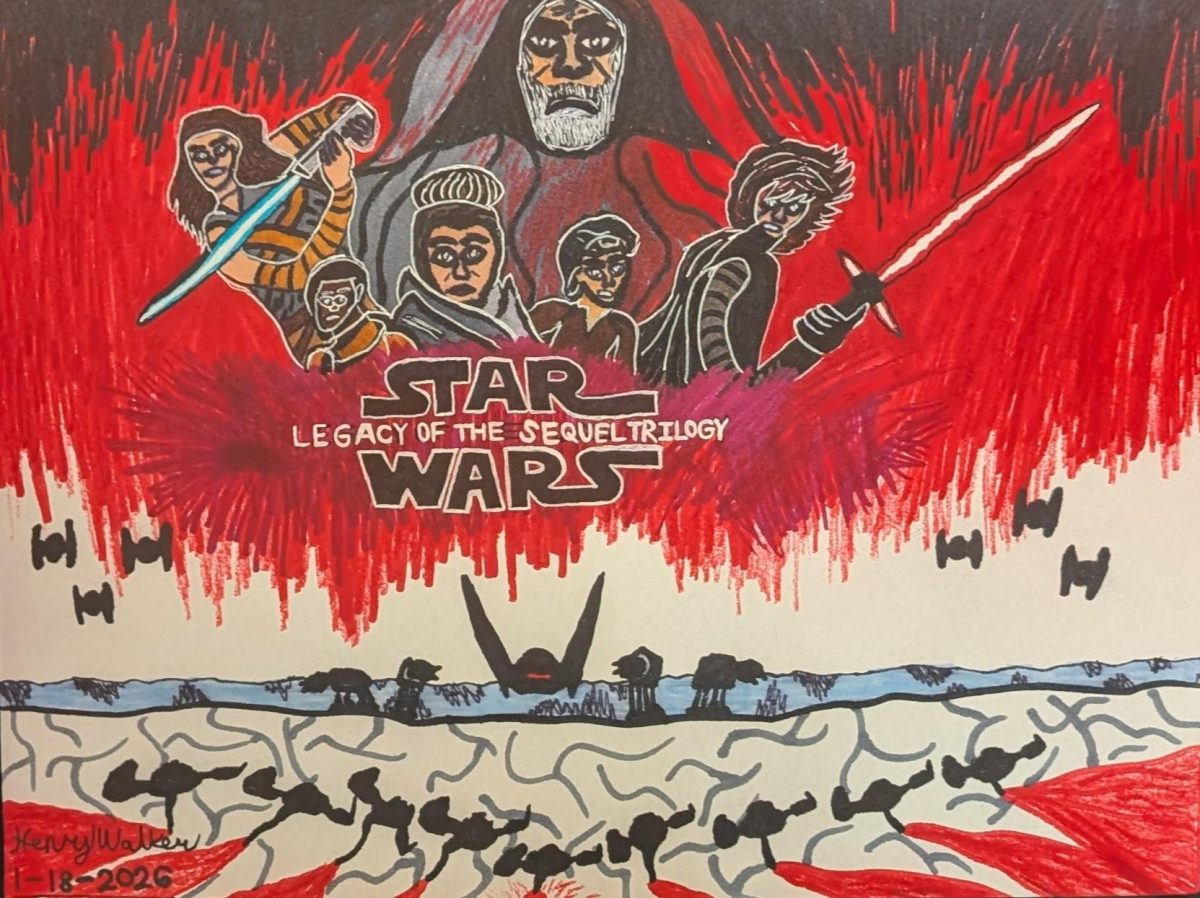
What is the greatest disease in cinema culture, and what franchise suffers from it the worst? The answer is “sequelitis”, and Star Wars is only just now exiting its nearly seven year-long quarantine away from the silver screen.
Many hardcore Star Wars fans like me understand that the sequel trilogy is riddled with controversy, as it generated tons of fan excitement upon its initial release, but also resulted in one of the greatest finale letdowns in cinema history from a certain point of view. The trilogy was born out of Disney’s acquisition of Lucasfilm from George Lucas, effectively putting the fate of Star Wars into the hands of a company run by a mouse. What could possibly go wrong? As it turns out, there’s a lot of material to dish on!
The trilogy includes three films, Episode VII: The Force Awakens, Episode VIII: The Last Jedi, and Episode IX: The Rise of Skywalker. While most reactions to the 2015 film were positive as seen with its 84% audience score on Rotten Tomatoes, some criticized its safe plot and how closely it followed the original trilogy. As its sequels The Last Jedi and The Rise of Skywalker debuted on screen, even more distaste for plot details, characters, and general lore painted an ugly image of the sequel films in the minds of fans across the globe.
However, upon rewatching all three films over winter break for The Force Awakens’ tenth anniversary, I believe these entries in the Star Wars universe have been portrayed unfairly. Join me now, and together we can explore how much of the sequel trilogy’s hate was warranted, which parts actually hold up, and how Lucasfilm executives can fix these problems in future projects.
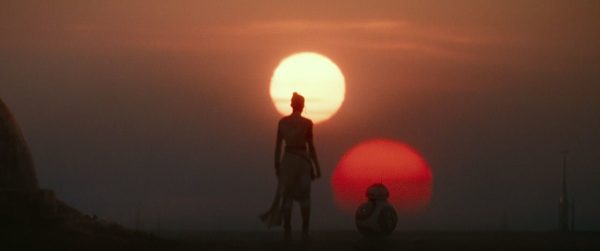
Episode VII (The Force Awakens): The Good
The Force Awakens is my personal favorite Star Wars film (yes, out of all of them), not because it has an incredibly unique plot (which it really doesn’t but we’ll get there), but because it was my first introduction to the entire universe and holds a lot of nostalgia for me. I never got to see it in the theater, but it piqued my youthful nerdy interest, and my parents showed me the original films plus The Force Awakens the summer after it debuted. Once I got through those, I was hooked — forget about the prequels, the sequel trilogy was my life!
Looking back, I would say this is the second-best film of the three as far as execution goes, and it ranks as the third best film of all Star Wars movies on Rotten Tomatoes. So, let’s get more specific on what the good parts of Episode VII are. It has stunning visuals thanks to modern day CGI and other special effects and introduced several unique environments. Making the superweapon “Starkiller Base” be built into an actual planet gave the final battle a more engaging view with an epic snowy forest lightsaber duel, and Maz’s castle on the planet Takodana took our breath away, and again when it was abruptly destroyed two minutes later.
The other standout positive of The Force Awakens was its cast. The golden trinity characters from the original trilogy all returned with new exciting roles. Han, a hardened smuggler again, and Leia, the leader of the new rebellion, reunite in a sweet and intriguing way, and Luke’s appearance at the end of the film is a welcome cameo, giving audiences a thrill before the end titles roll over the screen. The newer cast members also show an impressive affinity for Star Wars acting! Kylo Ren is sometimes criticized as an “emo” villain who just runs around yelling and screaming at everybody, but Adam Driver gives the character some real depth as we see in the next installment.
Daisy Ridley portrays a young new force user named Rey, who has an interesting and mysterious parentage, something we all were excited to learn more about in 2015. Portrayed by Oscar Isaac, Poe Dameron is a perfect Han Solo replacement, providing a classic and often sarcastic sense of humor early on in the movie. Finn, played by John Boyega may be the best of these new characters because he gave us the first interpretation of what the war looks like from a stormtrooper’s point of view, showcasing the horrors of war in a serious yet not altogether dark way. Other cast members include Joonas Suotamo, Lupita Nyong’o, Domhnall Gleeson, Gwendoline Christie, and many more, making for some of the best casting in the Star Wars universe.
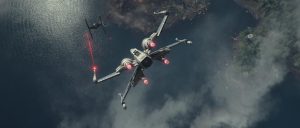
Episode VII also welcomes John Williams back to the franchise as the composer of the iconic music for the galaxy far, far away. Williams uses several classic themes in these films, but creates new ones like my personal favorite track, “Rey’s Theme”. The composition is soft, powerful, and complex all at once, creating a neat balance between Rey’s conflicting personalities. The Kylo Ren theme almost mirrors this with chaotic blasting horn instruments, building up to a dramatic and dissonant melody. “March of the Resistance” adds a bit of pep in our step prepping us for the final battle, and “The Jedi Steps and Finale” matches perfectly with Luke’s peaceful island, adding to the weight of his lightsaber in Rey’s hands. The score is unique and very enjoyable to listen to, and is yet another detail making this film worth a watch!
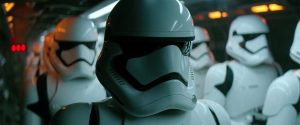
Before we move on, I’d like to call out a few specific scenes and sequences from this movie that stand out as really solid material. Hopefully, this will give some perspective on which parts of these movies were judged too harshly. First, the opening scene was a great way to draw in new and old viewers. The iconic tip of a star destroyer’s shadow crosses over Jakku, slowly shifting to the interior of several small invasion transports. The flashing strobe lights show off the frightening stormtroopers of this new imperial era, making them look almost undead and skeletal. While people like to make fun of stormtroopers for their aim, especially from the sequels, the action that occurs minutes later makes First Order stormtroopers actually look scary for once!
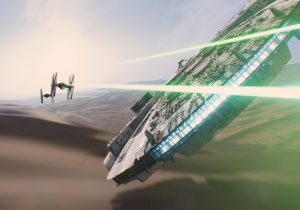
Next up, the sand fields of Jakku make for a fun homage to Tatooine, even giving Rey her own personal sledding hill. Every scene on Jakku is fun and captivating, even among desolate landscapes. The escape from Niima Outpost is really cool and kind of funny, with both Rey and Finn trying to sound confident in their skills despite having virtually no experience with flying a starship. This sequence is actually quite incredible, and shows some of the improvements to Star Wars action with modern 2010s computer effects.
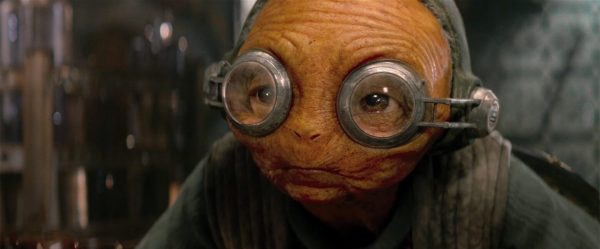
The beauty of Maz’s castle on Takodana is fantastic, and it’s almost heartbreaking when it falls to ruins after the First Order’s arrival. Takodana and the character Maz are some of the best parts of this film, and frankly, I’m sad we didn’t get much more of her in future films. Her interactions with Finn are incredibly fun and her warmth around Rey after that trippy vision sequence really shows off the dynamics of Lupita Nyong’o as a voice actress. Plus, that vision sequence, or the “force-back” as some people call it, was really cool. It gave us a glimpse at what Exegol and the Knights of Ren could have been, if J.J. Abrams didn’t wreck The Rise of Skywalker with Palpatine’s return.
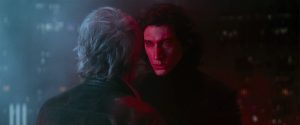
One final scene to give some credit to includes a few spliced together build up scenes that culminate in an epic finale. Han’s death scene is a great example of high quality cinematography in this film, with great lighting techniques that intertwine previously established plot points for a thematic purpose, particularly the detail that the sun over the Starkiller Base planet would be dimmed after the weapon was finished solar charging. This occurs just before Kylo turns on his father, allowing for some eerie red lighting to slightly illuminate the dark abyss beneath the two, also indicating that Ren’s choice has been made.
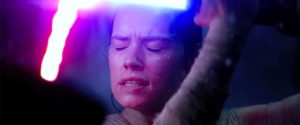
Once Chewbacca fires at least two or three good shots, all bets are off, and the chaotic final act unravels in an incredible forest lightsaber duel between Kylo Ren and Rey. Finally harnessing some of her undeveloped force abilities, Rey seizes Luke’s saber, now unafraid to confront the vision she was shown earlier in the film. Ren’s desperate attempt to turn Rey to the dark side backfires miserably, resulting in his defeat as the forest splits apart, carried away by the Resistance attack. I firmly believe that this film has the greatest final act of any Star Wars film so far and proves that this trilogy of movies could have been incredible.
Episode VII (The Force Awakens): The Bad
Most people who complain about Episode VII are just haters online with nothing better to do, but while the film has by far more good qualities than bad, there is one common complaint that actually is worth addressing. The Force Awakens brought forward a new future with several unique pathways for future Star Wars films. Ideas in the plot like showing a stormtrooper deserter, a thousand-year-old space pirate who is connected to The Force but doesn’t use it, and the return of core artifacts like Luke’s first lightsaber helped move the franchise forward. However, each main plot point resembles the exact same structure of Star Wars Episode IV: A New Hope.
Both films open on a desert planet where the rebels are on a desperate mission to find an important hard drive that could turn the tide of the war. When the imperial force captures the spy, the rebel droid embarks on a mission to return the data to the rebels and defeat a planet-killing weapon, picking up a few strays in the process. Sound familiar? Basically, Poe is Leia, BB-8 is R2-D2, Rey is Luke, Jakku is Tatooine, the Starkiller is the Death Star, the Resistance is the Rebel Alliance, and the First Order is just a new version of the Empire (which turns out to be true in The Rise of Skywalker).
Really, this is just a nitpick in my opinion and a safer plot was acceptable for a film that takes place 30 years after the previous installments for the purpose of building a new era of stories. Beyond this, The Force Awakens is a generally well rounded film that is accepted by most fans, and I personally feel it is one of the best entries in the franchise on the same caliber as renowned Star Wars films like Rogue One and A New Hope.
Episode VIII (The Last Jedi): The Good
The Last Jedi is one of the most divisive Star Wars films, but I’d really like to dive deep into the reason why this movie was not a complete failure.
The typical consensus on The Last Jedi is that it was a tossup with some great parts and other horrible parts that divided fans. Many argue that this is where the “Disney Era” of Star Wars fell apart, but I disagree entirely. While I admit I was really pissed off when I first watched this movie at Luke’s quick death in the third act (granted I was only eight), I’ve since grown to love it, accepting Rian Johnson’s choices as the right ones.
As for everyone else, in December of 2016, Rogue One: A Star Wars Story blew fans away with a whole new take on this beloved franchise. Entering theaters in December of 2017 on that high point was likely a bit of a shock for fans who didn’t quite know what to expect from the sequel to Episode VII. To me, what many fans consider to be stupid plot points and overthought moral stances made for some of the most heartfelt themes in the franchise and provided the most unique Star Wars story I’ve ever seen.
One of the most interesting things about Episode VIII is its thematic purpose. Several lessons are learned over the course of the film that each contribute to the development of the three main characters: Rey, Poe, and Finn. The overarching theme is about the importance of leadership. It drives Poe’s story as he matures from a trigger happy flyboy into a primary commanding officer of the Resistance, and Finn’s growth as he discovers a proper balance between running and fighting.
Ultimately, their growth as leaders is what drives the central plot of the film, the Resistance’s mission to escape from and, later on, demolish the First Order regime. Simultaneously, this thematic purpose allows us as viewers to become more invested in these character arcs, pulling us in for the next story. This theme upped the stakes of the Resistance’s survival and eventual escape at the end of the film, enriching the film’s plot on a level unlike any other Star Wars film. To me, this makes The Last Jedi a resounding success!
The theme of leadership also applies to Rey as she trains with Luke Skywalker in the Unknown Regions of the Star Wars galaxy. By listening to Luke and Kylo’s points of view, she is able to surpass Luke and discern what really turned Ben Solo to the dark side. By learning this, she finally helps Luke move on from his past failures and allows him to save the Resistance one last time. She honors his legacy by carrying on the knowledge of the Jedi and pursuing the task of restoring Ben Solo to the light side of The Force. A tasteful cameo from Master Yoda drives home this idea of leadership as he exclaims to Luke, “We are what they grow beyond. That is the true burden of all masters.”
Moving beyond cinematic philosophy, The Last Jedi has plenty of other excellent qualities that make it truly underrated. Let’s dive back into some specific scenes to analyze the good parts of this film.
While the opening of The Force Awakens is slow, deliberate, and kind of terrifying, Episode VIII chooses a more action filled and slightly comedic approach. The opening scene of this movie is super fun! It starts with the desperate evacuation from the Resistance base just as the thunderous booms of star destroyers signal the arrival of the First Order fleet. The scene includes some comedy that runs throughout the movie, and while many fans considered it questionable under the grounds that it took them out of the moment, I personally found it hilarious. I don’t often enjoy “mama” jokes, but if anyone is going to make them, I’d trust Poe Dameron the most!
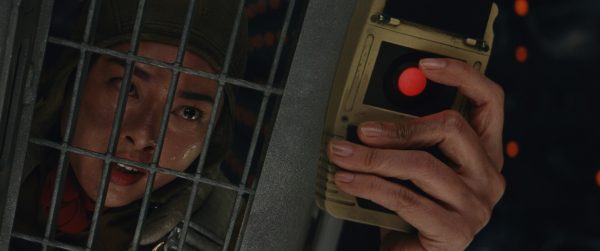
Comedy aside, this scene introduces a fleet of Resistance bombers who each nobly sacrifice their lives so the main star cruisers can escape. One hero in particular is Paige Tico, a Resistance pilot aiding in the attack on Captain Canady’s destroyer. Her ship is the final bomber left, and the only one to drop its payload of detonators on the dreadnought. Unfortunately, there is no high quality clip of this scene on YouTube, but you should definitely just watch the movie if you’ve never seen it before because it’s incredible! Paige gives up her life in the most beautifully shot and edited scene of any Star Wars film ever. Her sacrifice isn’t corny or ruined by Poe’s humor. It’s simply a beautiful moment between one hero and her captivated audience.
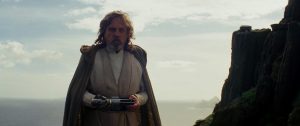
Shifting away from the action, all scenes for the planet Ahch-To were filmed on the Skellig Michael island in Ireland on a practical film set that you can actually visit as a tourist destination. Even Mark Hamil has gone to surprise fans with his welcome presence! The island is gorgeous, and lends itself well as the remains of the first Jedi temple. The film team used the already existing ancient huts as Luke’s hermiting quarters, and included several other practical resources on the island in the final cut of the film.
A few scenes in particular stand out in this location. First, the introduction to the planet helps us understand Luke’s current stance on the Jedi Order and the fight against the dark side. His daily routine makes for a really cool track by composer John Williams as Luke jumps across a cliff to secure his seafood fix. Rey’s facial expression at watching the Jedi milk a Thala-siren is also rather hilarious, providing some context to what the island planet has done to Luke’s morale and his sanity.
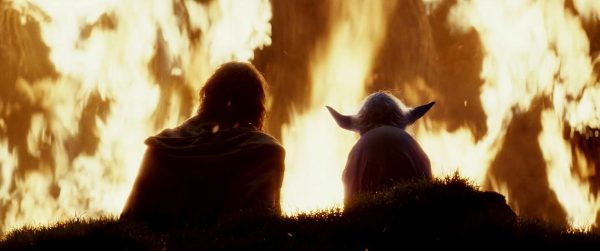
After Rey leaves Ahch-To in an attempt to save Ben Solo, Luke decides to burn down the Jedi temple and the ancient texts within, but when he hesitates, a familiar pointy-eared mentor finishes the job for him. Master Yoda is one of the only major cameos in this film besides people like Luke and Leia who were directly connected to the film’s plot. Yoda’s appearance marks one of the last times a Star Wars cameo would be tastefully accomplished without ruining the originality of the entire film, and was another symbol of what could have been for The Rise of Skywalker.
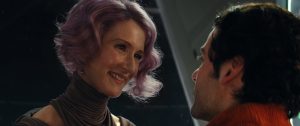
One final scene to highlight is the entire Crait sequence, particularly Vice-Admiral Holdo’s iconic hyperspace ram. Laura Dern is one of the best casting choices of this movie and she has a chance to show off all of her acting abilities, especially her dramatic talents. However, the standout element of this moment is the cinematography. Four things are happening all at once. In Snoke’s throne room, Rey and Ben are engaged in a Force tug of war between Luke’s lightsaber, while in a hangar on the Supremacy flagship, Finn and Rose face their execution.
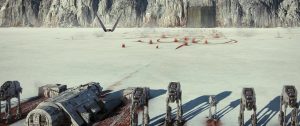
Meanwhile, Holdo prepares to jump to lightspeed into the First Order star destroyer as the remaining Resistance members watch in awe aboard their escape transports heading for the mineral planet below. The lightsaber splitting into two, the electric execution staves nearing Finn and Rose’s necks, and the actual hyperspace ram itself all happen within three seconds of each other, making it the most intense and jaw dropping visual moment of the franchise. Immediately after this is another incredible visual scene, the Battle of Crait. Crait is a bit sterile with its basic snow plains, but the choice to make it a mineral planet allows the Resistance speeders to kick up some red salt for an added vibrancy that makes this scene more fun.
Episode VIII (The Last Jedi): The Bad
If you are a hardcore hater of this film, then I can’t stop you from having an opinion, but I don’t believe this film has nearly as many bad qualities as some fans would suggest. This section will be more of a defense against the complaints about this movie, so just bear with me for a bit!
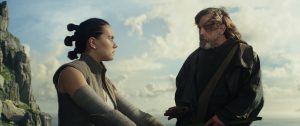
Let’s talk about Luke Skywalker. One complaint about The Last Jedi was that it portrayed Luke as a hardened hermit losing faith in the Force. I feel that this plot detail further enriched the character, showing how even heroes fail when they are faced with a split second decision. This allowed Rey and Luke to bond a little, helping each other discover (or in Luke’s case, rediscover) their connection to The Force. Luke’s cavalier attitude also made for some excellent comedy when he gave Rey her first lesson about the Jedi ways. While the humor in the sequels is often criticized, I feel that this particular film needed some comedy to balance out its more intense themes. The sequels are not meant to be on the same tonal level as Andor, so I think it was acceptable for this film to be a bit more playful.
One misstep regarding Luke’s story comes at the end of the movie. While his Force-projection on Crait is impressive, hilarious, and a great plot twist, the decision to have this effort kill the legacy character was a huuuuuuge mistake in my opinion. Obviously I’m a little biased toward wanting this character to live, but I think making him a force ghost contributed to the corniness and the stereotypical plot structure of the next film. Additionally, if Luke had returned in his X-Wing to help the Resistance after the Battle of Crait, his decision to train Rey would have solved some of the problems with Carrie Fisher’s choppy scenes in The Rise of Skywalker. Click here to watch Luke’s full duel with Kylo Ren, it really is a cool scene!
Next up, we’ve got to talk about Rose Tico. A bit of a life tip: If you’re not a fan of a character, just stop watching the movie. Walk out of the theater if you have to! But one line you just can’t cross, whether it’s someone from Star Wars, Marvel, Avatar, or even a friggin’ Disney movie like Lightyear, don’t go hating on the actor or actress who played them, and especially don’t target subjects like race, gender, or sexuality when talking about performance issues.
Kelly Marie Tran, who faced extreme racist and misogynistic comments online following her performance in The Last Jedi, played the character Rose Tico, a mechanic who works with Finn in an attempt to save the Resistance fleet. As a character, Rose is really awesome! She is smart, funny, and not afraid to speak up for what is right. Oh, yeah, and her sister was Paige Tico. You know, that really awesome person we highlighted from the opening of this film who sacrificed her very own life to do the right thing? Yeah. Anyone who claims that Rose Tico doesn’t have a compelling story or a reason for being in this movie is kidding themself. If that’s not character motivation, I don’t know what is!
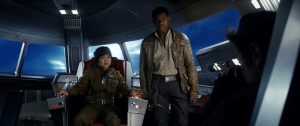
Tran has since opened up about hateful comments directed at her online, describing herself as “not giving up” her voice when it comes to acting. She boldly stated, “I now belong to a small group of privileged people who get to tell stories for a living, stories that are heard and seen and digested by a world that for so long has tasted only one thing,” as reported by The Guardian. Tran was the victim of several online trolls that even forced her off of social media to better protect her own mental health. Despite these obsessive haters, Tran has had a positive effect on the Star Wars universe, becoming the first woman of color to star in a lead role with Episode VIII (which is craaaaaazy considering this was only about eight years ago and it was the eighth film releasing forty years after the franchise started!)
The film’s director, Rian Johnson stepped up to support the 37-year-old actress, clarifying in a CBS News article that most Star Wars fans are not hateful and have a natural respect for everyone involved in the production of the franchise. The director explained, “We like & dislike stuff but we do it with humor, love & respect. We’re the VAST majority, we’re having fun & doing just fine.”
Even Tran’s costars spoke out against these racial attacks. Mark Hamil commented in 2018, “What’s not to love?” using the hashtag “GetALifeNerds” in response to the criticism against the Raya and the Last Dragon actress. Tran has since moved on with recent releases like The Wedding Banquet and Control Freak, but it’s incredibly unfair that such an incredible performance was ridiculed before it even had a chance to take off. Justice for Rise Tico!
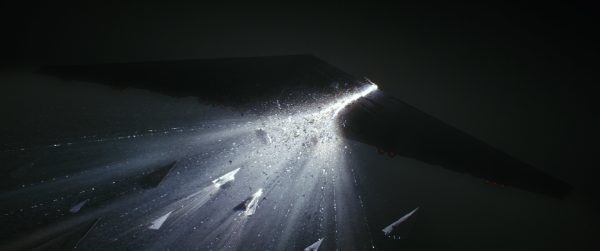
Switching back to the hyperspace ram, fans like to question the logic behind the “Holdo Maneuver”, claiming it breaks Star Wars lore. One argument is that hyperspace is a separate dimension, so Holdo would have passed through the destroyer instead of colliding with it. However, according to Wookieepedia, hyperspace shadows are the physical forms of objects from real space, or normal space. This means that Holdo still would have collided with the Supremacy, as both ships were technically still partly on the same plane. Lore problem solved!
Another question fans ask is if this maneuver was possible, why didn’t more rebels use it to tear down the empire against structures like the Death Star? First of all, the Death Star is on a completely different scale than a star destroyer, so the impact would be less significant. Second, this would have required several rebel flagships to be entirely destroyed, using up valuable alliance resources.
To give one final reason, (and I can’t stress enough how important this one is), Holdo died!!! If every rebel flagship did something like this, so many heroes would perish in the effort, and that’s not a cost anyone wants to pay. If you argue that a droid could pilot the ship in this scenario, circle back to reason number two! Holdo’s plan worked only because it was so desperate, not because it was within the canonical lore, or because it supported the theory of hyperspace. It looked cool! It saved the Resistance! What more do you want from me?! Movies like this aren’t meant to be logical, they’re meant to be entertaining. It’s high time fans stopped criticizing Star Wars and started enjoying it!
Putting my foot back in my mouth real quick, I have one more complaint before we get to the final problem with this movie. Snoke was a phenomenal villain who deserved more screen time. Played by the talented Andy Serkis, the “Supreme Leader” of the First Order was a really cool character who should have been more prominent in the next installment of the trilogy.
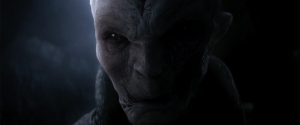
Snoke’s early death in the trilogy could have played well into Kylo Ren’s narrative arc, but instead of focusing on his villainous side, The Rise of Skywalker reverted back to The Emperor as the main antagonist. If the finale to this trilogy had portrayed Kylo as a hardened villain, his redemption could have been more gradual and would have posed him as the final threat to defeat at the end of the series. The Snoke plot twist was a good concept, but unfortunately, the next film’s director couldn’t see Rian Johnson’s vision.
Finally, we have to talk a little bit about Rey. The other central theme besides leadership running through this movie extends and strengthens another theme from The Force Awakens: identity. Rey’s parentage remained anonymous throughout the first sequel film, but played a major role in her motivation toward helping the Resistance. However, by the end of the film, her real parents were still a mystery. This detail would become a large part of Episode VIII by showing Rey becoming attached to both Han Solo and Luke Skywalker, viewing them as father figures. In The Last Jedi, Kylo Ren exploits this in an attempt to turn Rey to the dark side. However, Rey’s heart stays true to herself, and finding a family with the Resistance is all she needs to feel whole again.
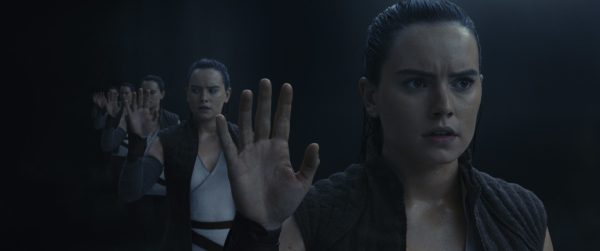
This story was beautifully handled by Rian Johnson and was exactly what needed to be developed in the next installment. Unfortunately, you probably noticed that this section is about what was wrong with The Last Jedi. The development of Rey’s parentage in this film wasn’t an issue at all, but it would become one later with one of the worst story arcs of all time. I’ll discuss this more in the next section, but with a change in direction came a shift from themes of choosing your own family and story to a more stereotypical depiction of blood ties and legacy. I guess it was fun while it lasted!
To wrap this section up, The Last Jedi really is an excellent film and is one I consider the best executed installment of the sequel trilogy. Definitely go check it out sometime!
Episode IX (The Rise of Skywalker): The UGLY
When people tell you this movie makes them want to burn down a house, believe them! The film truly is just about as bad as everybody makes it sound, but it does still have a very, very, very small number of good qualities.
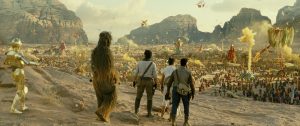
To start us off, The Rise of Skywalker has several fun visuals throughout its runtime. From the Sith Citadel on Exegol, to the colorful “Aki-Aki Festival of the Ancestors” on Pasaana, this film is chock full of visually stunning scenes. Scenes like the duel on Kef Bir really lean into the conflicting emotions Rey and Ben are feeling, with Rey’s draw to the dark, and Ben’s pull to the light. The crashing ocean waves over the unrealistic but super cool looking wreckage of the second Death Star add to the drama between these characters, who fight like siblings over the Sith Wayfinder. One slightly negative comment on the visuals is that many scenes are filmed in darker settings, which doesn’t quite fit the proper tone this film should have strived for, but there are still plenty of visuals to marvel at.
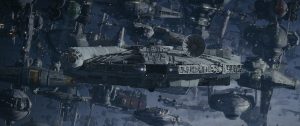
Despite its terrible narrative fuel, the final battle of this film is incredible with seemingly infinite spacecrafts coming to the aid of the Resistance as they destroy the Sith Eternal fleet. Lando Calrissian’s return as pilot of the Millennium Falcon was a fun homage to the original trilogy and honored the legacy of Han’s adventures. Rey’s duel with The Emperor is also nearly perfect, as the voices of Jedi from the past all whisper in Rey’s head words of encouragement and motivation to give her the final push to rise against Palpatine.
Perhaps the best part of Episode IX doesn’t come from epic visual effects or well written dialogue, but from the authentic final performance of a beloved actress. Carrie Fisher passed away in December of 2016, just months after completing her scenes for The Last Jedi. To include her in the Skywalker Saga’s finale, the production team for Episode IX drew from eight minutes of unused Episode VII and Episode VIII footage to complete the character’s story arc, digitally inserting her into new footage from The Rise of Skywalker.
These clipped scenes were incredibly choppy, as they had to rework previous dialogue from both earlier films into the new script. Campy lines like “never underestimate a droid” even made it into the final cut of the film, hoping to add some life into the older performance in the context of the new story. Despite this not fitting into The Rise of Skywalker entirely seamlessly, the crew honored Fisher’s legacy by not creating an artificial computer generated image or voice for any scenes with the older interpretation of the character.
While Fisher’s appearance was altered slightly with CGI for costume changes and hair designs, the original footage is still present. As first reported by Yahoo Entertainment, according to Roger Guyett, the visual effects supervisor for the film, J.J. Abrahm’s relationship with Fisher is what drove the work behind her Episode IX appearance. He explained, “They talked a lot about that, and I think the heart of it is the utmost respect for Carrie and her memory and her performance.”
The one computer generated flashback scene with a younger Leia is well executed, as Fisher’s real-life daughter, Billie Lourd, portrays her physical body. Keeping this legacy connected to Fisher’s family brought some extra heart to the film, even allowing Lourd’s modern era character, Resistance Lieutenant Kaydel Ko Connix, to walk a stunt double playing Leia off screen to the character’s final resting place.
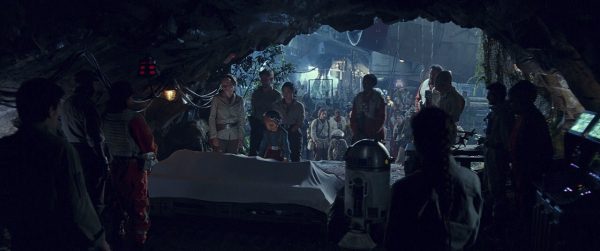
A few other good elements in this movie are Chewie finally receiving his medal after being snubbed at the end of A New Hope, Rey having a brief duel with an evil vision of herself, and Ben finally redeeming himself with a heartfelt visit from a ghost of Han Solo. That particular scene is beautiful, recreating the “torn apart” scene from The Force Awakens. It makes for a really emotional redemption scene and a great conclusion to the Kylo Ren legacy. Plus, both the teaser and the final trailer for Episode IX were incredible! If only they had stuck with what they showed us, we could have been discussing this film much differently. Alas, the finale to the Skywalker Saga ultimately sucks, so let’s talk about where it went wrong.
Alright. Let’s just get this over with.
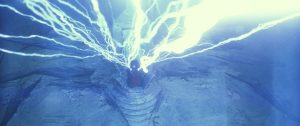
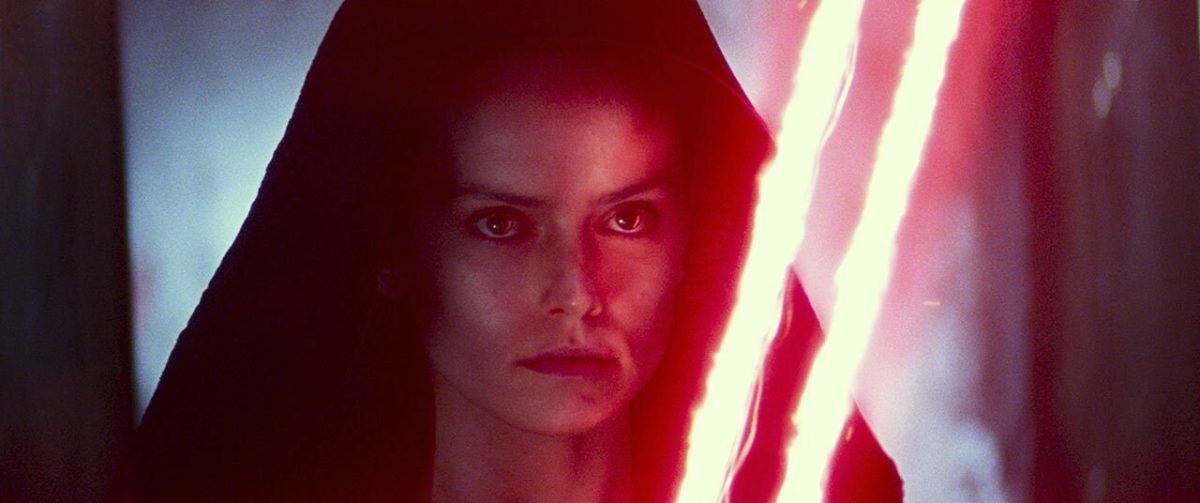
Here’s a big idea: the real issue with The Rise of Skywalker is not that it used Palpatine as the main villain. There, I said it! When I heard that evil cackle at the end of the first teaser, my 10-year-old mind was blown. I couldn’t wait for this movie! The villain who I loved and adored throughout my later childhood was finally going to reappear on screen, and I was lucky enough to witness a new generation of heroes defeat him “once and for all”. Like that could ever happen. What the Episode IX production team failed to realize was that bringing in a hard hitting cast member like Ian McDiarmid wasn’t enough to fill out the narrative of an epic finale.
According to James Palmer, a writer for the University of Warwick’s news site, The Boar, “J.J. Abrams made a film that is too fast and too bloated. There is never a moment for us to absorb what has just happened,” and he’s so right! The real issue with this film is the pacing. The Rise of Skywalker fails to carry the same narrative and thematic weight as Episode VIII, rushing through any important plot point and having no emotion connected to it. And the worst part of it all —and the hardcore fans may hate me for this— it’s all our fault!!!
Saving What We Love
The Force Awakens was a fairly successful movie, albeit a little repetitive of past Star Wars films. What The Last Jedi made unique and interesting became something Disney felt needed to be cut back. If some whiney fans hadn’t complained about the quality of Episode VIII, Disney may not have switched back to director J.J. Abrahms in a last-stitch damage control effort!
If Rian Johnson had directed the final film, I feel we could have gotten a much better ending, where Rey isn’t connected to any famous Star Wars characters and Ben Solo is the final villain. Instead of a rehash of Emperor Palpatine, Ben remains the final obstacle. He wrestles with his light and dark sides throughout the film instead of finding redemption halfway through the movie, allowing for a more emotional and in-depth conclusion. This film would have supported the bold choices and themes from Johnson’s original film and would have had a better payoff for all of the main characters.
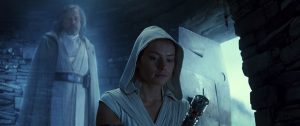
Unnecessary side stories like Zori’s spice crew and Jannah’s stormtrooper squad (or that super weird kiss between Rey and Ben?!) would have been removed and important characters like Finn and Rose wouldn’t have been sidelined to avoid race and gender related backlash. It could have allowed Rey to restart the Jedi Order as herself instead of choosing a cringy name change for a throwaway emotional reaction. It also wouldn’t have avoided the longest runtime in Star Wars history because sometimes you need a lot of time to set up your endgame. All of these changes could have avoided the disaster that is Episode IX.
Despite these rather dismal comments, it’s important to understand one thing. It’s not about dishing on the finale’s problems, it’s about seeing where this industry can improve. By attacking what is considered “bad”, studios like Disney will pivot to a damage control plan to make as much money as they can from as many people as they can please.
We saw this happen with The Acolyte, the 2024 miniseries that lost a lot of viewers due to some boring or confusing episodes. According to a report from Forbes in August of 2024, the reason the series was cancelled stems from poor viewership rates. Even if the toxic fans who hated on The Last Jedi weren’t the sole cause of The Acolyte’s cancellation, I do feel it is the quick dismissal of this show’s plot by many fans that killed its future.
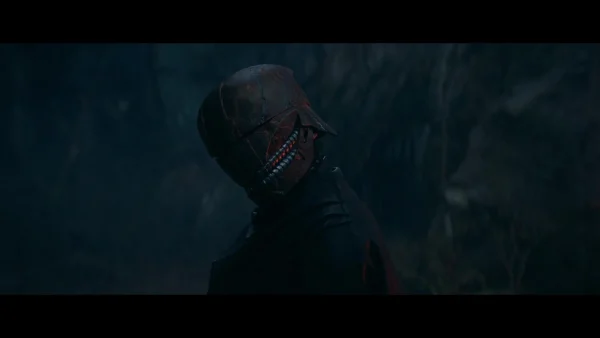
This isn’t to say that The Acolyte didn’t have problems. I mean, that ending was pretty rough! However, if we had stuck around for a second season, we could have seen some excellent backstory for the Knights of Ren from the sequel trilogy. Episode 5 of the series, titled “Night”, reveals the mysterious Sith villain to be Qimir, and according to Leslye Headland, showrunner of the series, the Kylo Ren musical stick was intentionally inserted into his reveal scene. In late 2025, Headland reconfirmed that Qimir was intended to be the first Knight of Ren, starting the Sith-adjacent cult shortly after taking on Osha as his own acolyte. This claim was also recently supported by a behind the scenes book detailing art from the series, describing how Qimir’s costume was designed to look similar to Kylo Ren from the sequel films.
If we want a high-quality film, we have to play the game. Companies don’t care about quality as long as they make enough money. This isn’t to say we should pat companies on the back when they produce something awful like Episode IX, we should just be more open to giving these projects a chance. I was skeptical when The Bad Batch first debuted in 2021, but by its third and final season, I was hooked! The same thing even happened to me with Andor, one of Lucasfilm’s greatest productions yet! My point is, when people like Rian Johnson or even Leslye Headland put feeling into their work, we should celebrate it so we can see improvements in the future! Just like a wise rebel mechanic once said, that’s how we win, “Not fighting what we hate, saving what we love.”
The Final Consensus and the Future of this Franchise
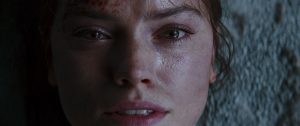
So, was the sequel trilogy a total disaster? Not at all! Poor direction in the final installment simply left a bitter taste in the mouths of most fans. Should we abandon hope for future Star Wars sequels? Absolutely not! Enough groundwork was established in The Force Awakens and The Last Jedi to prove that sequel stories in this franchise can be done right. With a mostly new set of characters, an entirely new and original villain, and a solid plan for the future, Simon Kinberg’s reported sequel trilogy truly has some potential!
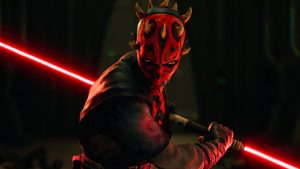
Fun fact, did you know that George Lucas had planned a sequel trilogy? If he hadn’t chosen to sell Lucasfilm to Disney, we could have seen an epic story about Darth Maul’s crime empire. Thankfully, a similar storyline has been picked up in series like The Clone Wars and even offshoot films like Solo: A Star Wars Story, which is a pretty fun watch by the way! A trailer dropped in late January for the next animated Star Wars series titled Maul: Shadow Lord, which is expected to adapt some parts of Lucas’ conceptual sequel trilogy, including a new Twi’lek apprentice. It looks really cool and should continue the incredible Maul storyline from the end of The Clone Wars: The Final Season, taking place about one year after that series’ finale.
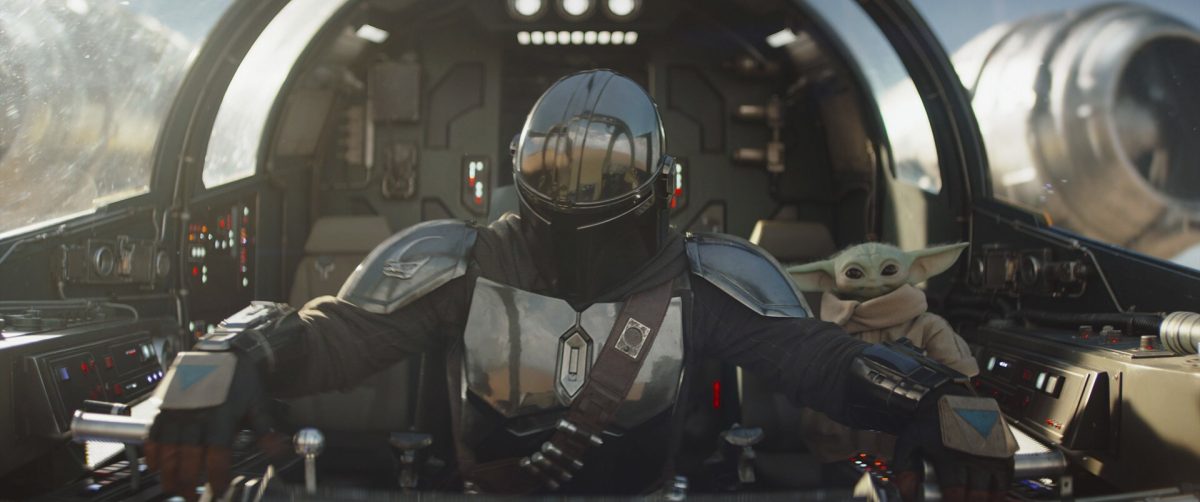
Beyond that, Lucasfilm is stepping back onto the big screen in May of 2026 with the release of The Mandalorian and Grogu. Continuing the Thrawn storyline later in the year will be Ahsoka Season 2, and Ryan Gosling makes his Star Wars debut one year after sci-fi epic Project Hail Mary releases. That film will be Star Wars: Starfighter in May of 2027. Plus, we’re still waiting on a solo Rey movie, a James Mangold film detailing the origins of the Jedi, and a Lando Calrissian series. Personally, I’m still waiting on a Jar Jar Binks solo movie. Say what you want about the character, but that Gungan is fun!
Regardless of the Jar Jar haters, Star Wars seems to be on its way back to the glory days of theatrical releases. The fifty-year anniversary of A New Hope is coming next May with a special theatrical re-release, and perhaps Rogue One could get similar treatment this year for its ten-year anniversary. Overall, the future of this franchise is bright, and I can’t wait to see where it takes us next!