






















“Imagine if they made LEGO Star Wars sets so bad they literally put trash cans on the minifigures. Imagine no more.” — Ryan McCullough, LEGO enthusiast and former LEGO Ambassador Network member.
This year, LEGO has announced a so-called “new way to play” with your favorite sets! Titled the Smart Brick, this new technological advancement, brought to you by our President Business (aka our corporate overlords), is a substitute for your very own imagination. Maybe we’re being too hard on this multi-billion-dollar company, but these new tech advancements with the classic LEGO brick do pose a few concerns, particularly with our kids’ abilities to play with a fully functional imagination. We’ll dive into all that and more in this article, as well as our thoughts and the opinions of some Harrison students.
How Does it Work?
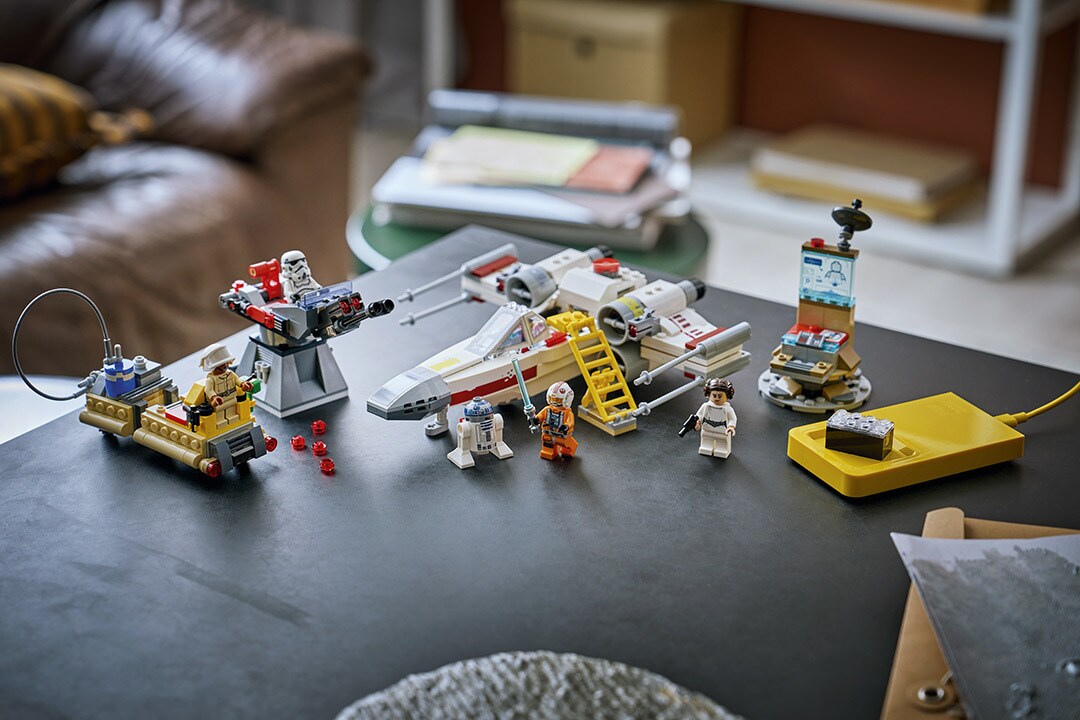
The purpose of the Smart Brick is to make a more immersive play experience for kids. Basically, the technology inside the brick reads codes on “smart tags” which tell the brick what to do. The smart brick’s features include special lights and noises, intending to create dialogue from the minifigures, and various sound effects for spaceships, lightsabers, and even space battles. The only issue with this is that the characters don’t actually say dialogue, they simply babble like little plastic idiots!
This may be a nice feature for LEGO subthemes like City or Speed Champions, but for licensed themes like Star Wars, incoherent babbling just isn’t enough to promote this new technology. Even the sound effects are not directly from Star Wars. The recently revealed Mos Eisley Cantina set has a special feature that allows the band to play the iconic “Cantina Band” theme. There’s only one problem— the theme isn’t there! Due to the brick’s limited ability to hold a reasonable amount of data, a file the size of John Williams’ classic theme or even iconic dialogue from characters like Luke Skywalker cannot be played from the smart brick. So, the brick only plays generic music and incoherent not-speech.
What Sets are Graced by its Presence?
The current list of revealed sets includes Darth Vader’s TIE Fighter, Luke’s Red Five X-Wing, Throne Room Duel and A-Wing, Luke’s Landspeeder, Yoda’s Hut and Jedi Training, AT-ST Attack on Endor, Mos Eisley Cantina, and Millenium Falcon. So far, these sets seem to focus on original trilogy era scenes, but it’s possible that they may later expand into other popular installments like Revenge of the Sith, The Clone Wars, or other popular Star Wars Content.
Other LEGO subthemes will likely adapt the Smart Play system, including themes like Marvel/DC Superheroes, City, Harry Potter, Minecraft, Ninjago, Friends, and many others. LEGO’s dedication to the development of this new system implies they want it to stick, bleeding into other themes as time progresses. Being one of the most popular themes currently in LEGO’s licensed products, Star Wars could be the push that the Smart Brick system needs to take off in the manner LEGO wants for a successful launch. This of course all depends on the success of the Smart Play system and could simply fizzle out over the next few years if the lineup crashes and burns.
The biggest catch about this list is that the only sets to actually include the smart brick as of now are Vader’s TIE, Luke’s X-Wing, and the Throne Room Duel. This poses a slight problem for consumers as these are the three most expensive sets from the current lineup.

LEGO Continues Price-Gouging Practices
While a new, yet wildly disappointing LEGO feature can be somewhat refreshing, our resident plastic brick company couldn’t help but keep one thing the same: prices. Shopping for your favorite LEGO sets has always been a nightmare, with a constant fear that it’s just $10, or $100 more than you can afford (or more than it should actually be worth). In a very predictable twist, that particular burden will never be lifted off of our shoulders.
Among the Smart Brick’s new sets, prices range from $40 to an astounding $160. The new sets and their prices are as follows:
- Luke’s Landspeeder = $39.99
- AT-ST Attack on Endor = $49.99
- Darth Vader’s TIE Fighter = $69.99 (Includes Smart Brick)
- Yoda’s Hut and Jedi Training = $69.99
- Mos Eisley Cantina = $79.99
- Luke’s Red Five X-Wing = $99.99 (Includes Smart Brick)
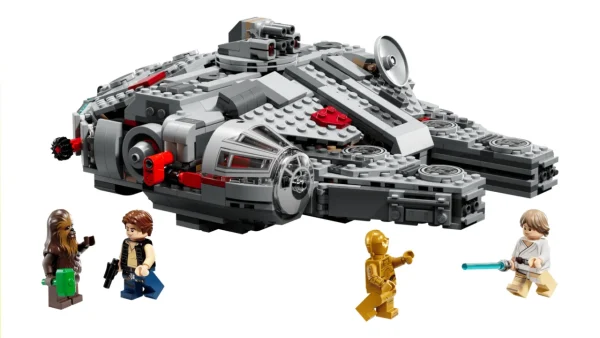
- Millennium Falcon = $99.99
- Throne Room Duel & A-Wing = $159.99 (Includes Smart Brick)
As expected, these prices are outrageous, especially considering the aforementioned insanity that the Smart Brick itself is only included in three of the sets. Shocker, these three sets are on the expensive side. Keep in mind, you absolutely need the Smart Brick itself, otherwise there’s no point in spending over $40 for just a regular set.
In short, don’t even bother.
What Does the Public Think?
The Smart Brick’s public perception is akin to a very, very shaky wooden bridge in an Indiana Jones movie. To gauge a response from your peers and locals, we sent out a poll. This assessment ended up being largely harsh, degrading, and refreshingly pessimistic. Among their responses, there was a concern for prices, safety, and maintaining kids’ creativity when they build and play with the beloved sets.
On the subject of prices, one Harrison student described how the Smart Brick, “destroys all that LEGO stands for.” Their statement goes on, explaining “how are kids meant to be creative when their parents can’t afford to get LEGOs because of the Smart Brick?” The prices of these sets are rather ridiculous, adding to the intense cost of bricks without the technology. The most notable increases in recent LEGO sets (for Star Wars in particular) have occurred during the pandemic in 2020 when inflation was on the rise, and last year when the government tariffs went into effect.
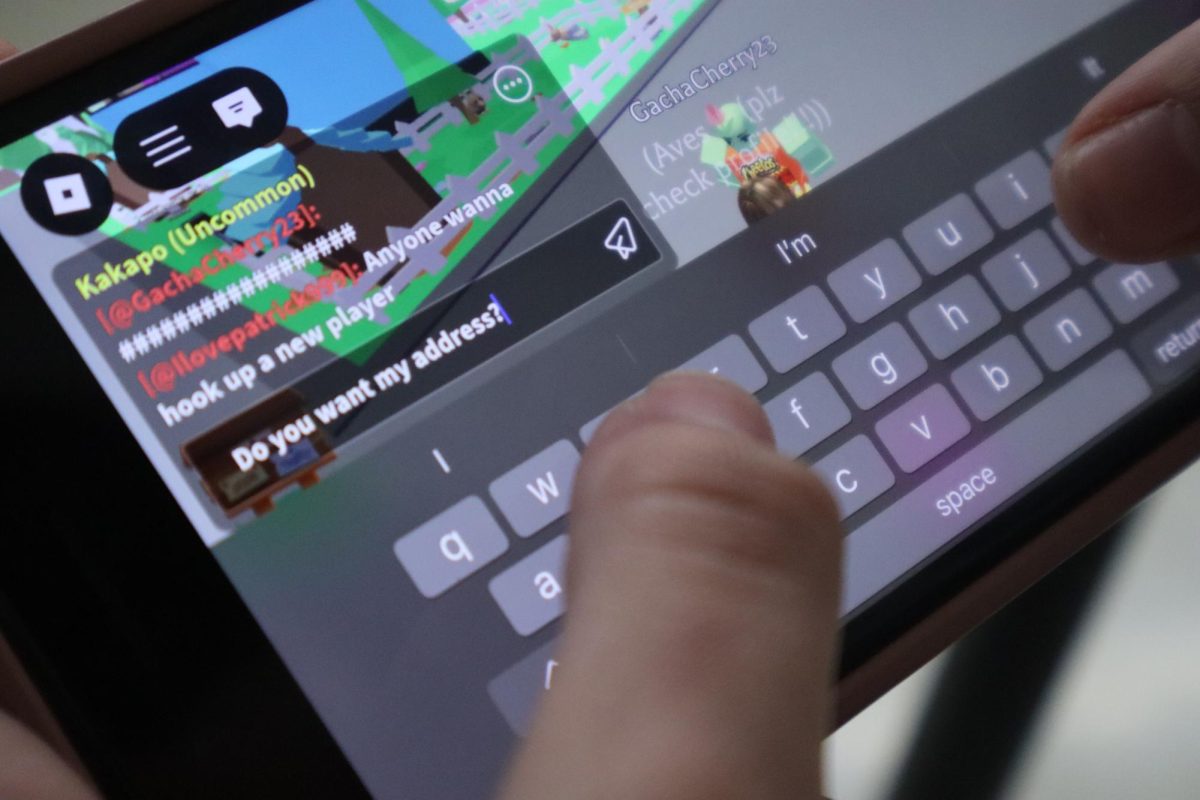
Another minor concern with this new tech is safety. Ashlee Spradlin questioned, “Can hackers play strange noises in it like how some security cameras can?” making a brief reference to Amazon cameras which have similar capabilities. Because the brick doesn’t have any internet connection or even a major computer system, this concern can be put to rest. As mentioned earlier, the brick can’t even hold reasonably sized files to play dialogue or trademarked sound effects, both of which are elements LEGO would likely have legal access to with their retention of the overall license of Star Wars.
The simple concern for physical safety is still a problem, which Spradlin addressed by stating, “what if a little kid swallows it? Now they swallow a bunch of wires too? Ouch.” While the brick doesn’t contain wires, the technology within could still have mildly harmful effects on a child’s health. These are just a small number of the problems posed by the new Smart Brick’s development.
The final and perhaps most concerning problem with the Smart Brick is what it does to children’s creativity. According to Spradlin, “Having an electronic brick to make the noises for you completely eliminates that fun.” She explained, “I’m thinking about it from the perspective of a little kid. I don’t want my LEGO bricks to make noise. It doesn’t sound necessary at all.”
This may seem like a little nitpick, but in an era where kids are growing more and more attached to their phones, having a physical toy that interacts only with their imagination and not a computer-generated noise is important for their development. The previous anonymous Harrison student returned to state, “The Smart Brick will either ruin LEGO, or make them rich at the cost of the respect they have earned over the years.” Unfortunately, both parts of this statement could be true, knowing how effective LEGO’s marketing can be.
One optimistic student sees an opportunity for the company with the Smart Brick, claiming that, “this will be great for LEGO.” Malek Lyttle is a name you may have heard around the school from his standout student leadership positions. Lyttle is also a massive LEGO fan and has developed a rather impressive collection of sets! He explains on the subject of the Smart Brick, “Being a LEGO Builder for 13 years now, it is great to see the evolution of things and I think this new brick will be awesome. I would be willing to pay and give it a try!”
Lyttle seems to disagree with the idea that the new technology will strip away children’s ability to play creatively. “I think it will enhance kids’ imagination because things in my city I set up speakers for or have to wire myself will be taken away by this,” he described, detailing how the brick could make it, “a lot easier to design something really cool!” Lyttle was willing to pay up to 30 dollars more in addition to the price of a usual LEGO set. His outlook on this new invention proves that the Smart Brick still has a good chance of being fun and successful for most kids, despite the controversy around its introduction.
Is “Smart Play” Really a Smart Idea?
Ultimately, it seems like the Smart Brick goes against everything LEGO stands for, slaughtering imagination and vaporizing our wallets. It’s important to know the risks with a product like this, but it’s also important to focus on how it can improve. If the issues with sound effects and dialogue can be solved somehow, it’s possible that this could be a very effective product that kids will enjoy.
Another solution could be limiting future Smart Play sets to themes like City or Ninjago, which don’t have as iconic spoken lines, sound effects, or even music as Star Wars does. Licensed themes often have a significant appeal to adults, so perhaps if LEGO could shift their playsets back to an appeal for both audiences, this issue would be solved! Clearly there is a lot of negative energy surrounding this product, but I guess we won’t know just how successful it is until it finds its way onto shelves in March of this year. Until then, may The Force be with you, and get your brick on!