

















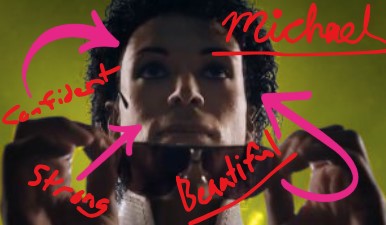

The reviews for Michael are in, and critics say it’s bad. They told you what to think, but are they right? Here’s what you should really know going into this movie.
Michael is a new biopic about the “King of Pop”, Michael Jackson. It details his struggle from childhood through his young adulthood with early success and his father’s abusive control. What many people may notice about this film is that it only spans about 15 to 20 years of the musician’s life, something critics and fans questioned. This along with the fact that the movie is produced mainly by the Jackson family and his former associates gave many critics the impression that the film had a very narrow scope of storytelling.
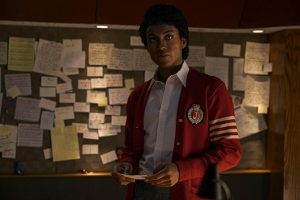
The small range of this film can make it easy to dismiss it as unoriginal or even redundant, but critics are overlooking what makes the movie so special. Clearly, Michael has resonated with a decent number of fans because as of April 24, the film’s theatrical release date, it holds a strong, verified hot 96 percent audience score on Rotten Tomatoes, a record-breaking score for any biopic film according to Forbes. In comparison, critics gave Michael a rotten 39 percent as of April 28. They missed a lot about this thrilling tale, so let’s throw a few tomatoes back at them with what you should ignore and explain how much of their blarney you should listen to!
*Warning, some spoilers may follow. (Can you really call them spoilers if the events already happened in real life?) In case you don’t know and don’t want to ruin it for yourself, watch the movie first before reading the rest of this review!*
The Cast of Michael: It Only Takes One, but We Get At Least Four!
One of two standout features from this movie is its cast. Michael Jackson is obviously the standout character, but there are at least four major performers that shine during the course of the film. From acting and singing, to hair and makeup and costuming (plus a small touch of genetics), the cast of Michael sets itself apart from any other movie. It takes a unique blend of talent and screen presence to pull off a story like this, but the many hard-working actors and designers accomplish the near impossible: bringing back to life an irreplaceable icon of pop culture.

Michael Jackson is played by two actors throughout the film. Juliano Valdi covers the early years of Michael’s childhood when he was part of the Jackson Five. He does a remarkable job showing his childhood excitement during his performances, as well as the fear and pain he endured when he received the brunt of his father’s physical abuse.
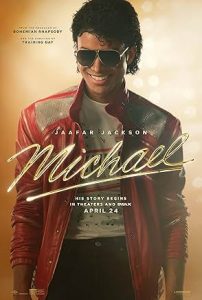
Later in the film, Jaafar Jackson, Michael’s real-life nephew, takes over the role. Despite the rageful, almost violent judgements by the BBC, Jackson embodies the spirit of the artist so intentionally that at times you actually believe you’re watching a historical document of Michael Jackson giving a tour of his studio and his recording process. The young actor has a lot of talent and is sure to go far in life, both as a musician and as an actor. Beat it, BBC!

Katherine Jackson, Michael’s mother, is played by Nia Long. She plays a less pronounced role in the film, but her presence is still noteworthy as the character allows us to see a little bit deeper into Michael’s real life creative process. When listening closely to songs like “Billie Jean”, you can hear lines like “Mother always told me”. In the movie, we see how Michael always refers to Katherine as “mother” instead of another form of the name such as the more common “mom”, possibly a nurturing choice made in the absence of care from his father. Lyrics like these now have a clearer link to Michael’s family, allowing us to see a new side of the performer.
Joe Jackson, Michael’s father and his manager is much more important in the movie. Michael centers around the artist’s struggle throughout his young adulthood of severing his ties to his abusive father and achieving a successful solo career, so Joseph is used as the main antagonist.
The character is played by Colman Domingo, which is a major change for the actor who is known for his many protagonist roles. Some of these include playing the civil rights activist Bayard Rustin in Rustin, the loving husband and father Joseph Rivers in If Beale Street Could Talk, the innocuous Cowardly Lion in Wicked: For Good, and Ali Muhammad in Euphoria, a character who even acts as the moral compass of the series. Even Domingo’s role as iconic Spider-Man fiend Norman Osborn in Your Friendly Neighborhood Spider-Man can hardly be called villainous. Unlike these many previous roles, Joe Jackson is diabolical.
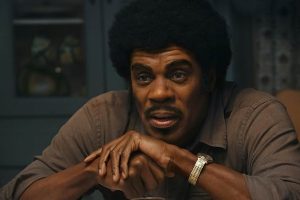
Domingo’s performance can only be described as brutal. Not because he does a bad job, but because the character is just horrible! Because Joe is the Jackson Five band manager first and foremost, none of his children ever call him father, they simply refer to him as “Joseph”. This immediately creates a contrast between Joe’s personality and his constant manipulative hypocritical focus on family.
Domingo has the perfect energy to play this role, and his performance is enhanced by the hair and makeup team who reconstruct his physical appearance to be nearly identical to that of the real Joe Jackson with excellent prosthetic additions. Domingo’s performance is one of the standout elements from this movie that make it absolutely worth your money! Other notable performers in the film include Miles Teller as Michael’s manager John Branca, Jessica Sula as Michael’s sister La Toya, and Larenz Tate as Berry Gordy.
Captivating and Authentic Musical Recreations
According to Yahoo Entertainment, both Jaafar Jackson and Juliano Valdi really performed the music of the film. While they were backed by tracks with the original singer for concerts and stage performances, there are several moments when Michael is in the studio recording acapella and must sing aloud with no enhancements. This is where we can hear the audio quality of both actors’ voices and see how truly talented they are to simulate such an iconic voice.

Jackson described what a great experience it was to be singing hits his uncle created for the big screen production, explaining, “When I was doing all the performances, I was actually singing out live in the microphone on top of Michael’s track. So, it’s a blend of my vocals and Michael’s.” Both young performers are very skilled in their musical abilities, and of course, it helps that one has some of the natural Jackson talent literally flowing through his veins.
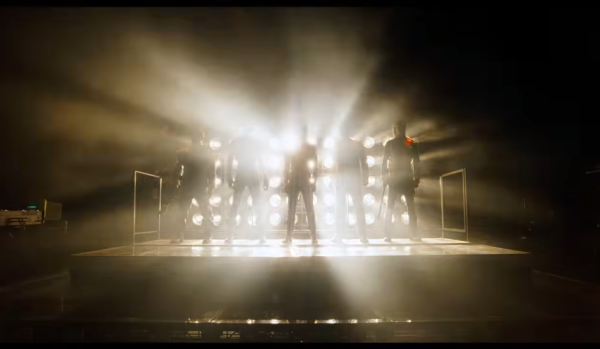
As far as the visual aspects of Michael are concerned, the production team basically checks off every box on the list. The recreation of the music video for Michael’s hit song “Thriller” is very well executed. The set, the costumes, and the choreography are very true to the original short film and take you straight back in time to 1983. This particular section could have had more screen time though. The production feels slightly rushed and like they wanted to skip over one of the most important parts of this movie that fans were looking forward to. There’s not much to criticize, but it could have been nice to see more of this scene for an added spellbinding effect.
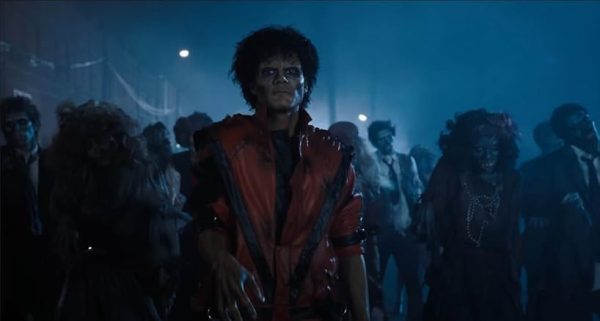
There were other important nostalgic scenes that perfectly recreated Michael’s iconic life. One was the Motown 25 special, Yesterday, Today, Forever, where he first performed the moonwalk. Jaafar Jackson is also a trained dancer, so he was able to learn and nail the moonwalk that we see on screen in theaters.

We also see the backstory for the infamous Pepsi Super Bowl commercial that resulted in severe burns to Michael’s scalp. The deal was crafted by Joe Jackson and was intended to begin a tour to bring back together the Jackson Five. Joseph wanted to continue capitalizing on his son’s success, controlling him and his brothers. Michael eventually said no after the trauma from this commercial and his long hospital recovery.
The scene itself is very accurate to the footage seen from the original commercial, which eventually was released years after it was filmed. It’s an exciting high point of the second act, though the scenes that follow might seem a bit slow for some viewers. The story picks back up again with a very satisfying conclusion where Michael finally gets rid of his father, moving forward with his solo career and bidding farewell to his brothers.
Human Nature: Michael’s Authenticity and the Future
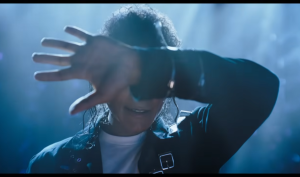
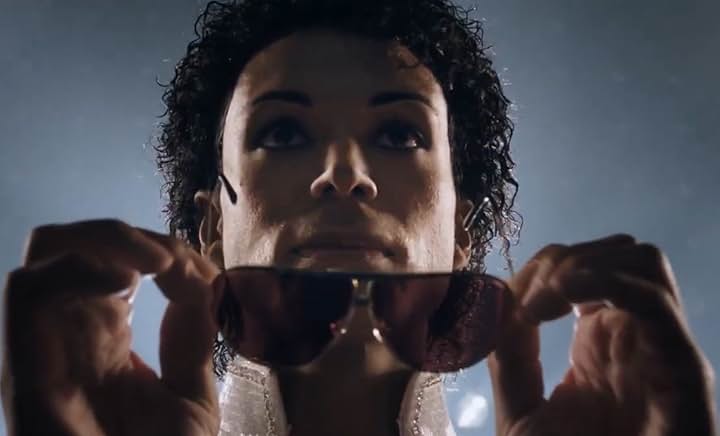
The final scene is the same as the opening scene, which is a great cinematic choice. The finale shows Michael Jackson in 1988 performing his hit “Bad” at London’s Wembley Stadium, fitted with an all-new look for his future performances. On screen text at the end of the feature reads “his story continues,” signaling Lionsgate’s plan to develop a sequel film if the 2026 movie is successful. Company chairman, Fogelson elaborated on the possibility to USA Today, stating, “I can tell you that the creative team is hard at work making sure that we’re in a position to deliver more Michael soon after we release the first film.” With this buzz over a possible continuation of the story, fans must ask, is a second motion picture really necessary?
In sum, Michael has everything fans could want in terms of visual effects, acting performances, and attention to detail for musical sections. What it could use is just a dash of controversy. As mentioned earlier, Michael leaves out a number of years from the singer’s life. “How many?” you ask? Say, oh, I don’t know, basically half of his entire life??? The movie conveniently skips over the period where the artist was accused of multiple child abuse allegations, painting the character like some savior of both music and humanity.
While there are many great parts in this movie, it completely omits the part of Jackson’s story that makes him interesting. Sure, he was a great singer, dancer, and performer, but that doesn’t excuse the charges that were brought up against him.
Since none of these charges have effectively been proven, it’s possible that the pop icon was just a friendly adult with a rough past and a distorted view of how adults can interact with kids. Regardless, Michael, which depicts Michael Jackson’s affinity for children as being completely healthy and even philanthropic, clearly isn’t showing the story in its entirety. It is worth noting that a sequel film would likely explore this cut period of time, though Lionsgate would need to be careful not to violate legal agreements discussing the use of such events in a film.
Ultimately, Michael is the film to see this April and May, but here’s how audiences need to view the movie walking into the theater. Michael is a great work of art that shows Michael Jackson’s younger struggles and creative processes that made his music truly revolutionary. When you watch this movie, think of it as an appreciation not for Jackson as a human, but for his work as an artist. I personally guarantee that you will walk out liking “Billie Jean” and “Bad” just a little more than you used to, even if they still sometimes get on your nerves. Don’t just listen to the critics, go see for yourself what makes Michael so special!