











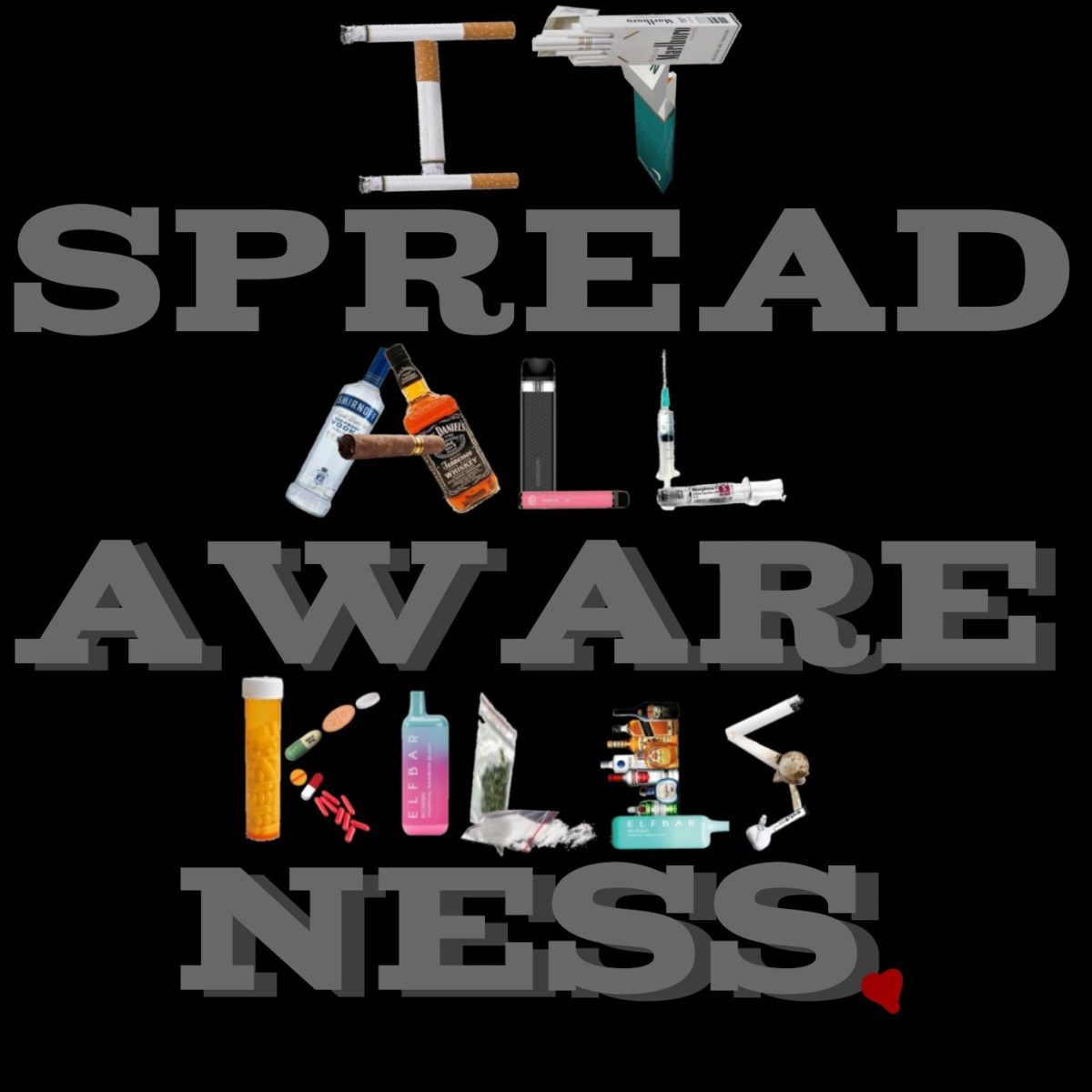
How do you go about coping with pain? Some will journal, some will talk it out with another, others will exercise or watch a show. But as much as there are healthy coping mechanisms, there are harmful ones too. One of the most harmful coping mechanisms is substance abuse.
Firstly, what is substance abuse? Substance abuse is when someone over indulges themselves or is dependent on an addictive substance. There’s plenty of reasons why someone would start to abuse a substance from being peer pressured, coping with their pain, just for fun or whatever other reason one might have. Substance abuse has been rising in adolescence and that’s very concerning. Most people when abusing a substance don’t think about the after effects, more so about the effects they get in the presence of taking whatever substance they’re on. As much as these substances can make someone feel good in the moment, in the long run, it does a lot more harm than help.
Substance abuse is a dangerous road that leads into addiction. Plenty of people have reasons for why they start to abuse a substance, but no matter the reason, it’s still important to get help. Even though those who use can become erratic and difficult to be with or hang around, they are struggling and need support whether they admit it or not. However, some people refuse help, and as much as one might want to help them, a person using can only stop if they choose to accept the help and support given to them. Like the quote, “You can lead a horse to water, but you can’t make it drink.”
Awareness for substance abuse is important so as to stop people from taking a ride into addiction or at least to think about the long lasting effects down the road from taking an addictive substance. There’s plenty of people who don’t understand the harsh and dangerous effects substance abuse can lead them into, so making people aware of what can and will happen if they decide to use is necessary for their safety. There’s all kinds of different substances someone can abuse or become addicted to, if they knowingly do it or not. There’s more common drugs like alcohol or marijuana, and there’s also hardcore drugs like heroin or cocaine, and hundreds in between that vary on how addictive they can be.
Another problem is prescription medicine or drugs that can be abused, but the correct term for a prescription drug being abused is substance misuse. Substance misuse is when a prescription is being taken for a purpose that’s not consistent with legal or medical guidelines. Substance misuse can be taking the wrong dose, taking a prescription not prescribed to you, or generally taking any prescription for a different reason than it’s supposed to be used for. Although there’s not much difference, besides substance misuse being a more specified type of substance abuse, it’s still good to understand the difference. Understanding the effects and differences in substance abuse is how it can spread awareness to further warn people who have thoughts of abusing a substance, especially in adolescence.
This is important because the brain has a network of neurons to process and transmit information. Substance abuse can interfere with how the brain cells function, alter the way they send, receive, and process signals. Substance abuse can lead to multiple different conditions that involve the central nervous system, varying in severity. Along with there being a variety of how severe a condition can get based off the substance, it can also vary based on how long it’s been taken depending on if it’s been taken long enough to fully change the brain to addiction development, making abstinence harder. All the diseases or conditions that will be told under each section are from the How Do Drugs and Alcohol Affect the Brain and Central Nervous System? By AmericanAddictionCenters.
In addition to these serious problems, another side effect of drug use can be traumatic brain injury. One of the easiest ways to cause a traumatic brain injury while taking any of the substances would be driving. Any type of substance that can impair your senses or cause you to lose executive function will make you a danger to yourself and others if you decide to drive.
From the same article used to explain how each substance affects you, AmericanAddictionCenters also explains how “insights from the Substance Abuse and Mental Health Services Administration reveal that up to 75% of patients with a traumatic brain injury tested positive for alcohol at the time of hospital admission, and approximately 50% were intoxicated.” and how driving while on benzodiazepines is similar to the risk of driving with BAC (Blood alcohol content) between 0.050% and 0.079% (Someone with a 0.08% can get a DUI from driving under the influence and are considered legally impaired). Another example is how MDMA decreases someone’s ability to perceive and predict motion. All of these and any other substance shows how easily you can get an injury, especially one that’s severe like a traumatic brain injury. Taking these substances can impair you during the use of it and after, which causes a danger not just to yourself but others as well. It’s important to be safe and take care of your body while driving and just in general when you’re living your day to day.
There are always signs of when or if someone is susceptible to using. It’s extremely important that people, whether or not they have an addiction, understand and can see the signs to help another who’s struggling. Someone might not have every single sign, some could only even show one that’s noticeable but it’s still important to reach out and lend them help and support.
Some signs that a person can show are having hallucinations, delusions, paranoia, psychosis. They can avoid eye contact or interacting with others, being antisocial. They can have a sudden change in who they hang around with, their academics like their grades or deciding to skip school or getting in trouble, and changes in how they act towards others and even themselves. Physical signs could be bloodshot eyes, or pupils larger or smaller than normal, walking weirdly or being more clumsy, unexplained bruising on the arm (needle marks) and covering their arms. Lastly some more signs but not limited to slurred speech, difficulty concentrating, and nausea or vomiting. All these signs can be extremely noticeable or not noticeable at all, but if someone shows at least one sign, it’s important to look further and check on them and let them know it’s okay to get help and support them.
Helping someone with an addiction, especially a drug addiction can be complex. It’s necessary to know that if someone who’s in addiction doesn’t want help, then there’s not much to do for them. Obviously that doesn’t mean someone will never want help and will always stay using, some can, but no matter if someone accepts the help or not, at least let them know you’re there if they need help or support in case they do want to stop using, hopefully at some point.
To help someone who’s using is to lend them your empathy and understand that they didn’t just wake up and choose to do a substance or become an addict, and how it’s a very complex process. Let them know that they can confide in you and you are there for them to listen and help. Now most of the time, people who are in current use need professional help which is necessary for all cases of people who have had prolonged use or use in high-doses. However that doesn’t mean you can’t at least make the person who’s using comfortable and able to actually reach out for help.
There’s a plethora of reasons as to why someone will abuse a substance so it’s also not that simple to be able to prevent it. Preventing someone from using a substance from an adolescents view or students would be noticing signs that they could be using or any talk that they are using that foreshadows them possibly starting to use. It can also be important to notify a trusted adult, even if it feels like snitching or the person who’s using might get mad at you; it’s better that they’re mad at you and getting help or sober than on the brink of death from an overdose. There’s not that much a student can do to get someone who’s using the help they fully need, except for giving them their support and empathy. However a parent or any adult in a school setting can have a likely better way of getting a student who’s using help. It can be scary for someone who’s using to ask for help, especially from an adult because they don’t want to be judged for something that isn’t their fault. Adults are able and should communicate towards their kids or students the risks and dangers of substance abuse to help prevent it.
More ways to prevent it from an adults capability would be giving students “exit plans” for when they’re in a situation of peer pressure to start using, become educated on how to notice signs in someone who’s using and how to properly get them help, and model appropriate substance use out of school and in any setting. Specifically, a way schools can help would be teaching accurate, scientific information on substance abuse to students, incorporating a substance abuse education into the curriculum, and establishing clear drug-free school policies, with consequences for violations.
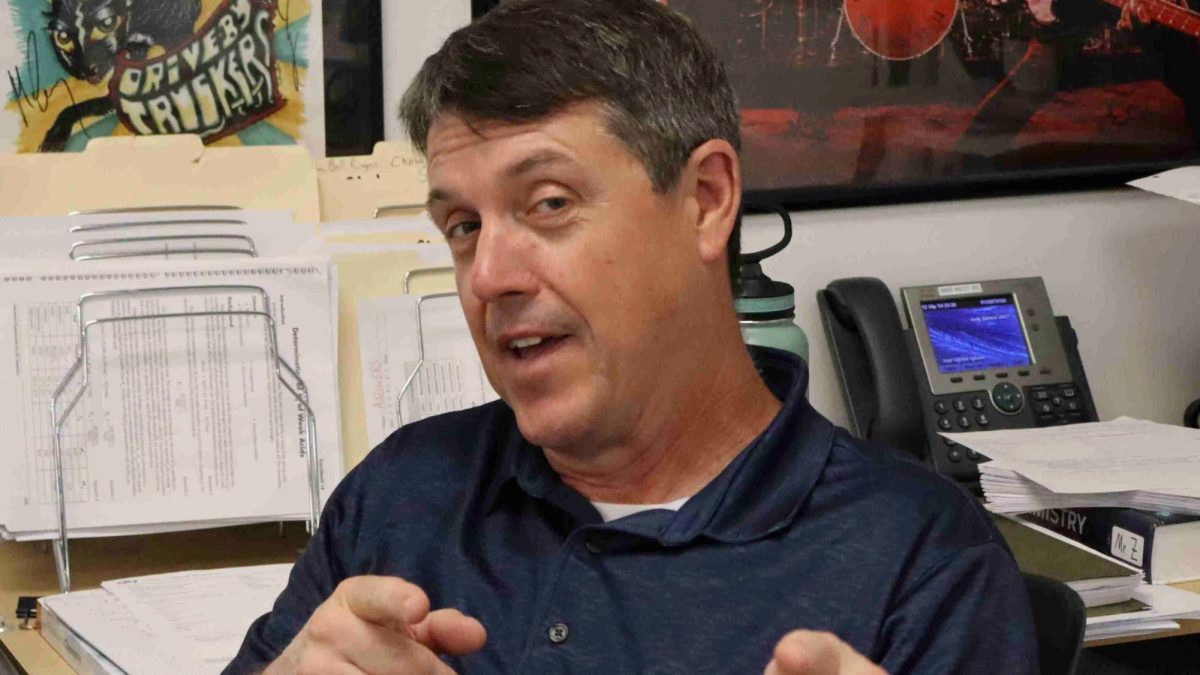
In our school, WHHHS, there is help for those who are using. Assistant Principal Ms. Morris said that our school offers help through school counselors available for check-ins, as well as a partnership with Cincinnati Children’s to provide therapy services to those on campus, Check In/Check Out (CICO) or other Tier 2 supports are used for students whose substance abuse overlaps with attendance or behavior concerns, restorative conversations and skill-building sessions after substance-abuse related incidents, and collaboration with the school nurse for health education and harm-reduction conversations. Besides what our school offers, there are also helplines if those are more comfortable for someone in need to talk to, or get help from. Those helplines or treatment facilities are American Addiction Centers, you can connect with an AAC admissions navigator or complete an insurance verification form, their staff is available 24/7 for treatment questions, discussing payment options, and help for someone to take the first steps to recovery. You can also visit the SAMSA website linked (press the blue words) for multiple helplines and treatments.
Many adolescents abuse a substance, and there are also some in our own school. Mrs. Morris said that “over the past several years, there’s been a decrease in traditional cigarettes, however there’s been noticeable increase in the use of nicotine and THC vapes.” When asked what differences she sees in students who are struggling with substance abuse/addiction compared to students who don’t?, Morris gave 10 qualities she’s noticed: those are inconsistent class attendance or tardiness, difficulty sustaining attention or regulating impulses, declines in grades and incomplete work, increased avoidance of class (bathroom trips, hallway wandering), increased irritability, anxiety, or agitation when they can’t vape/use, more frequent conflicts with students or staff, social withdrawal or a sudden change in friend groups, difficulty self-regulating or following expectations, fatigue or decreased stamina, headaches, dizziness, or coughing, and lastly reduced executive functioning (planning, prioritizing, remembering tasks). Morris said that common motivators for teen drug use are peer influence, stress, anxiety, lack of other coping mechanisms, curiosity, desire for social belonging, or easy access. Morris added that our district, like many others, is implementing a combination of education, communication, and prevention strategies.
When students were asked about teen drug use, their answers showed a different point of view. The first question I asked was “What drug do you do/take? (vaping, smoking, etc.)” One student said weed and nicotine and the other said weed and alcohol. My second question was “How long have you done it for?” and both have done it for 2 years. My 3rd question was “Is there anything you used to do (vaping, smoking, etc.) but have since quit?” and the student who does weed and nicotine said smoking while the other had none they’ve since quit. My 4th question was “Can you say what made you decide to do/take it? (if comfortable)” and Student 1 (referring to the student who does weed and nicotine) stated that they started because of peer pressure and student 2 said because of their depression. My 5th question was “Do you plan on quitting?” and student 1 said maybe while student 2 said they try to. My 6th question was “What makes you want to quit (if you do) or what made you quit a past substance (if you have)?” and student 1 mentioned how they would die from it and student 2 said it’s from them knowing it’s bad and never having wanted to start. My 7th question was “Have you seen any significant changes in your behavior or mental health?” To which both students had said yes, not explaining what changes. My 8th question was “Do you think you’re addicted?” and student 1 said no while student 2 said yes. My 9th question was “Has whatever substance your taking affected the people around you? If so, how?” to which both students said no. My 10th and final question was “Do you have any advice for others that are struggling with substance abuse/addiction?” Student 1 said “Just quit” and student 2 said “Yes. Do not start no matter how hard it is”. Those are only two students answers, there’s plenty of kids struggling everywhere but also in our school. I’m thankful for the 2 students who were willing to do the interview with me and answered my questions to help share awareness in this article.
For this last paragraph, people who abuse substances or are in current addiction or have been addicted before, they aren’t bad people. One of the biggest reasons people who use begin or continue to use is because it makes them feel good, it can take away the pain they feel. However, even though the substances might make someone feel better in the moment, it makes anyone feel a lot worse down the road whether they become sober or not. Substances, especially more hardcore ones will damage your body and change it completely. People who use or have used see this difference and have to live with it. Substance abuse or beginning addiction is not a choice. It’s a common misconception but using isn’t a choice, some feel as though it’s their only option or way to be okay. People who are addicted or abuse substances aren’t bad people, they’re just people who cope with their pain in a different and more harmful way than others. This is why it’s so important to raise awareness and educate people on substance abuse. There are other ways to cope and even if someone may feel completely alone in how they feel and that a substance is the only way to make it better, that’s wrong and there are ways to feel better than diving into a substance. There are various reasons and various things that make someone more likely to begin using or when they begin using. People who are children of addicts are more predisposed to also abusing substances, however that doesn’t mean it’s their fate. Substance abuse and addiction is very complex and hard to understand or for some, support, without being able to understand it, because it’s not able to really be understood unless you’re in their shoes. However, that doesn’t mean people who are addicted don’t deserve the support and help, many people who use already feel horrible about it so to help them the best, would be to support them and to let them know they aren’t alone, there’s a way out and ways to get better. So if anyone using or is thinking it’s the only way to relieve your pain, you’re not bad for becoming addicted, and there are plenty of people who will support you and help you into recovery. Recovery is always possible and even if it doesn’t seem like it, it’s a better road than continuing to dive deeper into substances and addiction, there are other coping mechanisms that can and will help. Recovery is very difficult but it’s worth it in the end and will make you feel a lot better, all the time and not just in the moment of taking a substance. Please reach out if you are struggling with substance abuse or addiction, you deserve the help and there are many who are completely willing to give it to you.